

Table of Contents
- Why Return Policies Matter for Electronics Purchases
- Electronics Return Policy Checklist: 7 Terms to Verify Before You Buy
- Electronics Return Window: How Long You Really Have
- Electronics Restocking Fee: What It Is and When It Applies
- Electronics Warranty vs Return Policy: Key Differences
- Return Costs and Logistics: Shipping, Refund Processing, and Payment Methods
- How to Assess Policy Clarity and Enforceability
- Conclusion: Shop Smarter by Reading the Fine Print
- Frequently Asked Questions
Last Updated: October 13, 2026
Why Return Policies Matter for Electronics Purchases
A return policy is the set of rules a seller uses to decide whether it will take an item back, in what condition, and how much money you get back.
Electronics are expensive, easy to damage, and often fail in ways you cannot prove.
Most shoppers read the return policy after something goes wrong, when the window may have closed or a restocking fee already applies.
Below: the seven terms worth checking, how long you really have, and where store rules end and warranty rights begin.
Electronics Return Policy Checklist: 7 Terms to Verify Before You Buy
An electronics return policy checklist is a short list of terms you confirm before checkout, not after. It turns a vague promise into specific answers you can hold a seller to.
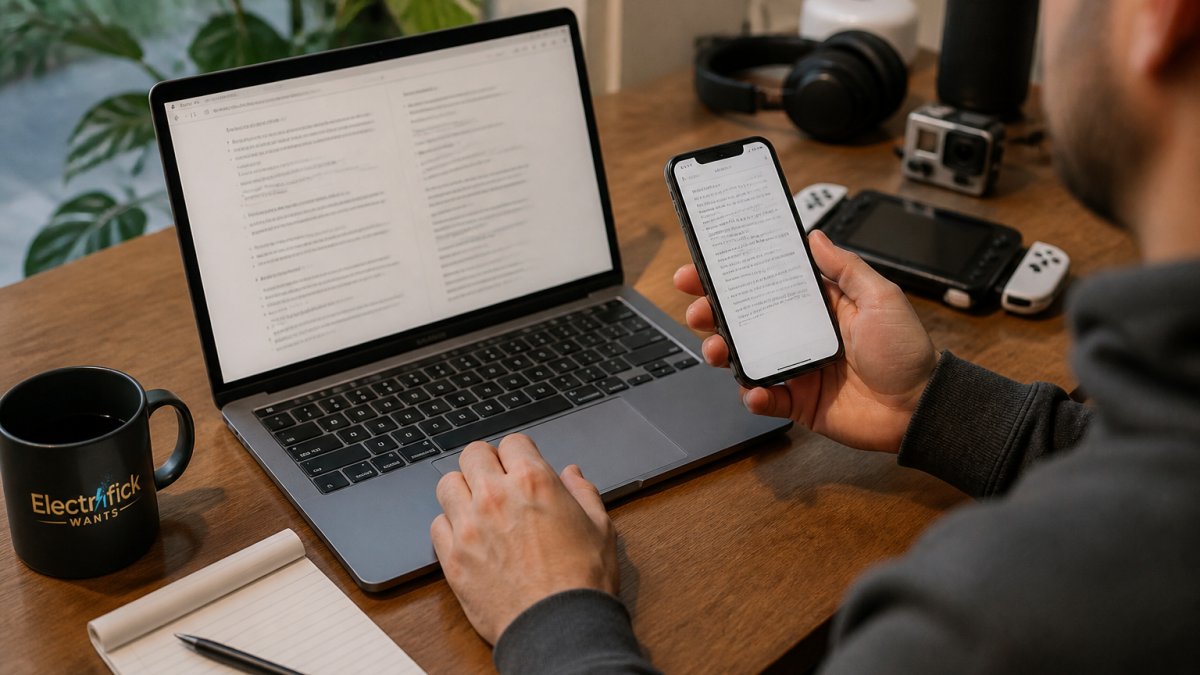
Here are the seven terms to verify:
- Return window and the exact deadline
- Condition rules for new, opened, and used items
- Proof of purchase requirements
- Restocking fees and when they apply
- Return shipping costs and who pays
- Refund method and processing time
- Exclusions for opened software, hygiene items, and clearance goods
Return window and deadline
The return window is the period you have to start a return, counted from either the purchase date or the delivery date. Those starting points can differ by a week or more, 30 days from purchase is shorter in practice than 30 days from delivery.
Condition rules for new, unused, and opened items
Most sellers accept new, unused merchandise in its original packaging. Opened items are where policies split: some accept them with a fee, others reject them unless faulty. Know your category before you open the box.
Proof of purchase and receipt requirements
A receipt or order confirmation is the standard proof of purchase. Without it, many sellers offer only store credit, if anything. Keep your order email and purchase date handy.
Electronics Return Window: How Long You Really Have
The electronics return window is the time limit for sending an item back, usually 14 to 90 days depending on the seller and product type.
A common approach is 30 days from delivery for most electronics. Some sellers shorten it for certain categories. Others extend it during holiday periods.
Three details change your real deadline:
- Start date: purchase date versus delivery date
- Category rules: phones, laptops, and drones often get shorter windows
- Membership perks: some loyalty programs add extra days
Set a calendar reminder a few days before the deadline to cover slow labels and weekend drop-offs.
Electronics Restocking Fee: What It Is and When It Applies
An electronics restocking fee is a charge a seller deducts from your refund when you return an opened, non-defective item, covering inspection, testing, and repackaging.
Fees usually apply to opened electronics, not faulty items. If a device arrives broken or fails under warranty, most sellers waive the fee; if you changed your mind after opening the box, expect a deduction.
Where fees show up most often:
- Opened laptops, tablets, and cameras
- Drones and specialty gear
- Large appliances and TVs
Electronics Warranty vs Return Policy: Key Differences
A return policy and a warranty are two separate systems that overlap on one narrow question: what happens when a device is defective. Confusing them is the most expensive mistake electronics buyers make, because the two have different deadlines, decision-makers, and remedies.
- Return policy, the retailer's voluntary rule for taking an item back, covering change-of-mind returns, wrong-item shipments, and defects found inside the return window. The remedy is usually a refund or exchange, and the retailer controls the terms.
- Manufacturer warranty, the maker's promise to repair, replace, or refund a product that fails due to a defect in materials or workmanship. It excludes change of mind, accidental damage, and normal wear, and the remedy is usually repair first, replacement second, refund last.
- Statutory rights for defective goods, separate from both. Every state's version of the Uniform Commercial Code implies a warranty of merchantability into most consumer sales, meaning goods must work for their ordinary purpose. A seller cannot disclaim this in a way that surprises a buyer, and a defective product can trigger remedies even after the store window closes.
| Feature | Store Return Policy | Manufacturer Warranty | Implied Warranty (State Law) |
|---|---|---|---|
| Who controls it | The retailer | The manufacturer | State statute, applied by courts |
| Typical length | 14-90 days | 90 days to 2 years (often 1 year) | Varies; often up to 4 years from purchase |
| Covers change of mind | Sometimes | No | No |
| Covers defects | Yes, inside the window | Yes, for the term | Yes, for a reasonable period |
| Typical remedy | Refund or exchange | Repair, then replace, then refund | Refund, replacement, or damages |
| Who you contact | The seller | The maker's support line | The seller, then small claims if needed |
| Proof needed | Receipt or order number | Receipt plus serial number and registration | Receipt and evidence of defect |
The electronics-specific wrinkles
Electronics expose the gap between these systems in four ways:
- Activation starts a separate clock. Phones, tablets, smartwatches, and some laptops begin the manufacturer warranty on the activation or first-use date, not the purchase date. A device that sat in a warehouse for two months has a warranty two months shorter than the receipt suggests, check the activation date in the device settings or the maker's warranty portal.
- Serial numbers tie the claim to the unit. A warranty claim requires the serial number, which must match the one the manufacturer shipped to that retailer. Gray-market or reseller units can be refused service even with a valid receipt, so photograph the serial plate before discarding the box.
- Opened software and digital licenses are excluded from both. Once a license is redeemed or an OS activated, neither the return policy nor the warranty takes it back for change of mind. A defective license is a support issue, not a return.
- Accessories have their own terms. A bundled charger, cable, or case often carries a shorter warranty (90 days is common) than the device it shipped with, and a failed accessory follows its own terms, not the device's.
How to decide which path to use
Work through these questions in order:
Shop Smart. Shop Electrifick Wants. →
- Did the problem appear inside the return window? Use the return policy. It is faster and gives you a refund rather than a repair.
- Is the problem a defect, and is the window closed? File a warranty claim with the manufacturer. Expect to ship the unit to a service center or an authorized depot.
- Did the seller refuse a valid defect claim or misrepresent the product? Your state's implied warranty and consumer-protection statute may apply. Your state attorney general's consumer-protection division and the FTC's consumer complaint system are the standard escalation paths.
FTC guidance on warranties and consumer rights
Return Costs and Logistics: Shipping, Refund Processing, and Payment Methods
The sticker price of a return is rarely the whole cost. Restocking fees, return shipping, packaging replacement, and the float time before your money comes back all stack up. For a $1,200 laptop, a 15% restocking fee plus $40 shipping is $220 gone, more than most people budget for a "free" return.
Restocking fees: how the math actually works
A restocking fee is a percentage deducted from your refund, usually on opened non-defective items. Common rates run 10% to 25%, with 15% most frequent for laptops, tablets, cameras, and drones.
Worked example: a $900 tablet returned opened and non-defective under a 15% restocking fee. You get back $765 for the device, minus original shipping and the cost of shipping it back.
Fees are usually waived when:
- The item arrived defective or damaged
- The seller shipped the wrong item or the wrong model
- The item was never opened and is still sealed
Fees are most often charged when:
- The box was opened and the device was used
- Accessories, manuals, or the original packaging are missing
- The return is a change of mind on a large or specialty item
Return shipping: who pays and how it moves
Who pays depends on the reason for the return, not the item's price.
- Seller's fault (defective, wrong item, damaged in transit): the seller provides a prepaid label or arranges pickup, you pay nothing.
- Change of mind: you pay, usually via a prepaid label with the cost deducted from your refund, or a self-purchased label reimbursed only if the seller agrees in writing.
- Carrier drop-off vs. pickup: drop-off at a carrier location is the default and cheapest; at-home pickup suits large items like TVs and appliances but may carry a fee or require a scheduled window.
Refund processing time by payment method
The clock starts when the seller receives and inspects the item, not when you ship it. Inspection can take 3 to 10 business days for electronics because the unit is tested and the serial number verified.
| Payment method | Typical time after seller approval |
|---|---|
| Credit card | 3-5 business days to post, sometimes up to two billing cycles |
| Debit card | 3-10 business days; funds may be held longer by the issuing bank |
| Store credit / gift card | Immediate to 24 hours |
| Digital wallet (e.g., PayPal, Apple Pay) | 3-5 business days to the linked account |
| Buy-now-pay-later installment plan | Refund goes to the plan administrator; your installment schedule may not change |
| Cash (in-store purchase) | Same day in store; by check if mailed |
A refund to a credit card does not erase the original charge, it appears as a separate credit. If you carry a balance, interest may still accrue until the credit posts.
A return-logistics checklist
- Confirm the return window's start date (purchase vs. delivery) before you open the box
- Photograph the item, serial number, and packaging before shipping
- Use the seller's label when offered; self-shipped returns are harder to trace
How to Assess Policy Clarity and Enforceability
A clear policy answers four questions without hunting: how long, in what condition, at what cost, and by when. If any is missing or vague, treat it as a risk, vague language like "returns accepted at our discretion" gives the seller room to reject your request.
A quick way to score a policy:
- Does it state the return deadline and the start date?
- Does it list condition rules for opened items?
- Does it name restocking fees and amounts?
If you can check all six boxes, you are dealing with a seller that has thought about returns. If you cannot, ask before you buy.
Conclusion: Shop Smarter by Reading the Fine Print
Return terms are not fine print to skip, they decide what happens when a purchase goes wrong. Read the window, condition rules, and fees before you buy, and you will shop with far fewer surprises.
At Electrifick Wants, we stock a curated range of electronics and gadgets, from audio gear to specialty equipment, with fast and reliable shipping and free shipping on orders over $50.
Shop Smart. Shop Electrifick Wants.
Frequently Asked Questions
What should I look for in an electronics return policy?
Focus on the return window, condition requirements, restocking fees, and who pays return shipping. Check whether opened items are accepted and if a receipt is required. Also note the refund method and processing time. A clear policy states these terms without vague language. Use our checklist to compare policies side by side before you buy.
How long do I have to return electronics?
Return windows vary by retailer and product. Always confirm the exact deadline and whether it includes weekends. If you miss the window, you may be stuck with a warranty claim instead.
Can a retailer charge a restocking fee for returned electronics?
Yes, some retailers charge a restocking fee on opened electronics. Some waive it if the item is defective or if you exchange it for another product. Always read the fee schedule before buying. If the fee is not disclosed upfront, ask for it in writing.
What is the difference between a return policy and a warranty?
A return policy lets you send back an item for a refund or exchange within a set window, usually for any reason. A warranty covers defects after the return window closes, often for months or years. Returns are handled by the retailer; warranties may go through the manufacturer. Keep your receipt and warranty card to use either option.