

Table of Contents
- What Makes a Gaming Headset Premium?
- Premium vs. Budget Gaming Headset: Where the Real Differences Lie
- Sound Quality and Positional Audio Performance
- Best High-End Gaming Headphones for Serious Players
- Wireless Gaming Headset Battery Life and Reliability
- Gaming Headphones vs. Gaming Headsets: Which Suits Your Needs?
- The Verdict: Is the Price Premium Justified?
- Frequently Asked Questions
Last Updated: October 11, 2026
What Makes a Gaming Headset Premium?
Premium gaming headsets combine superior audio fidelity, durability, and comfort through better speaker quality, build materials, and engineering that prioritizes performance over cost-cutting.
High-end gaming headsets feature larger drivers that reproduce sound across a wider frequency range. The Mars Gaming MH120 demonstrates this with its 24-ohm speaker load and 20Hz to 20kHz frequency response, delivering directional cues essential for competitive gaming.

Premium models use reinforced aluminum bands, impact-resistant casings, and quality padding that withstand extended use without causing ear fatigue during 8-10 hour sessions.
Premium gaming headsets integrate noise-isolating microphones with cleaner signal transmission, ensuring clear callouts without background noise that budget models pick up.
Premium vs. Budget Gaming Headset: Where the Real Differences Lie
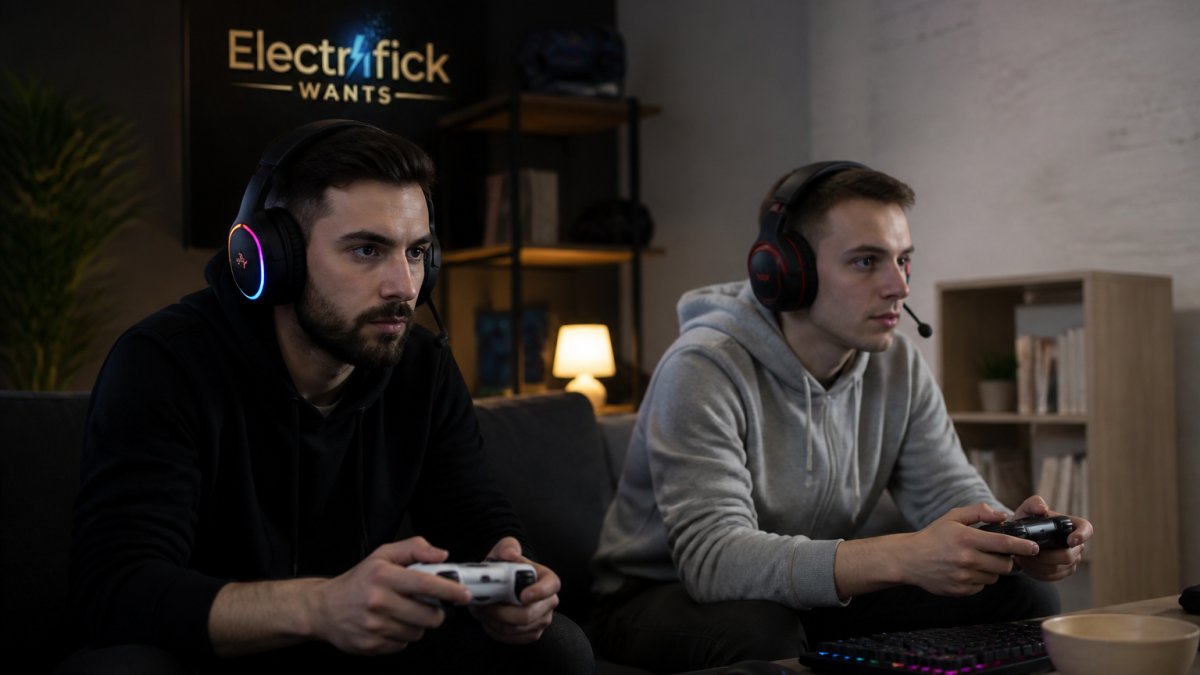
Budget headsets ($30-$40): The 6-month reality
The Mars Gaming MH120 at $32 delivers stereo sound, microphone, and plug-and-play compatibility across PC, PlayStation, Xbox, and Switch, adequate for casual players.
Budget headsets fail predictably: padding compresses within 3-6 months of heavy use, plastic headbands crack, and microphones develop static.
Mid-range headsets ($50-$65): The sweet spot for most gamers
Mid-range options like the MAX15 RGB Headset ($55) and S12 Head Mounted Gaming Headset ($65) extend usable life through better engineering. The MAX15 offers 20-hour battery and Bluetooth 5.0; the S12 features protein skin earmuffs and braided wire construction.

Mid-range headsets remain comfortable for 6-8 hour sessions, with padding lasting 18-24 months and reinforced connectors keeping microphones clear.
Premium headsets ($75+): Diminishing returns
Premium models add active noise cancellation and extended warranty, but comfort and durability gains plateau above $65. You're paying for audio refinement and features that matter mainly to esports competitors and streamers.
| Tier | Price Range | Typical Lifespan | Annual Cost | Best For |
|---|---|---|---|---|
| Budget | $30-$40 | 6-12 months | $30-$40 | Testing, very light use (5 hrs/week) |
| Mid-Range | $50-$65 | 2-3 years | $22-$26 | Regular gamers (15-25 hrs/week) |
| Premium | $75-$150 | 3-4 years | $25-$40 | Competitive/professional use (30+ hrs/week) |
The upgrade threshold: When to spend more
At 20+ hours weekly, mid-range headsets ($50-$65) become mandatory, budget models fail within a year, costing more than one mid-range model lasting 2.5 years.
At 5-10 hours weekly, the $32 Mars Gaming MH120 works if you accept annual replacement and occasional discomfort.
For esports competitors or streamers using headsets 30+ hours weekly, premium features justify the $100+ price point as a tool affecting income or ranking.
The hidden cost: Battery replacement and repair
Wireless headsets introduce a battery-aging factor. Lithium batteries degrade over 500-1000 charge cycles, typically 2-3 years of daily use. Budget wireless headsets often have non-replaceable batteries, meaning the entire headset becomes e-waste when the battery dies.
Wired headsets like the Mars Gaming MH120 eliminate battery concerns entirely, which is one reason they remain competitive despite being older technology.
Sound Quality and Positional Audio Performance
Positional audio, locating sounds in 3D space, separates casual gaming from competitive play, determining whether you hear approaching enemies.
Premium gaming headsets deliver superior positional audio through larger drivers and better frequency separation. The Mars Gaming MH120's 24-ohm configuration produces accurate directional cues, positioning opponent movement clearly rather than vaguely.
Budget headsets compress the soundstage, making sounds feel flattened rather than spatially distributed, a liability in competitive multiplayer where audio determines survival.
The MH120 spans 20Hz to 20kHz, covering full human hearing range. Premium models add clarity at critical frequencies, footsteps in mid-range, explosions in low-end, providing tactical information.
Soundstage improves with premium construction; better ear cup sealing and driver quality create immersive audio rather than sound from inside your head.
Best High-End Gaming Headphones for Serious Players
The MAX15 New RGB Headset ($55) offers Bluetooth 5.0 with 10-meter range and 20-hour battery life for multiple gaming sessions without recharging.
The S12 Head Mounted Gaming Headset ($65) prioritizes durability with protein skin earmuffs and braided wire construction, plus 50mm drivers and reinforced headband resisting clamping fatigue.

The YDM78 Luminous Computer Gaming Wireless Headset ($50) combines Bluetooth 5.3, 8+ hour battery, waterproof design, and bilateral stereo for extended sessions.
Wireless Gaming Headset Battery Life and Reliability
Battery life determines gaming duration, but advertised hours don't reflect real-world performance. Understanding battery degradation and wireless versus wired trade-offs is essential.
Advertised battery life vs. real-world performance
Manufacturers rate battery life under ideal conditions. Real-world gaming uses higher volume (draining 15-25% faster) and active noise cancellation (reducing life 20-30%), so a 20-hour headset delivers 14-16 hours in practice.
The MAX15 claims 20 hours but delivers 14-18 hours in practice; the YDM78 rates 8+ hours but delivers 6-7 hours. These gaps matter when planning gaming sessions.
Battery degradation: The 2-year cliff
Gaming Earpiece with Microphone Mars Gaming MH120 PC PS4 PS5 XBOX →
Lithium-ion batteries degrade with each charge cycle: after 500-1000 cycles (2-3 years), capacity drops to 80%; after 1500 cycles (4-5 years), to 60%. A 20-hour headset may deliver only 12 hours after three years.
Degradation becomes noticeable after 18 months, when headsets no longer last gaming marathons without midday recharging, prompting many gamers to return to wired models.
Budget wireless headsets have non-replaceable batteries.
Connectivity reliability: Bluetooth standards matter
Wireless reliability depends on Bluetooth version: older standards (4.2) have 50-100ms latency and frequent drops; newer standards (5.0-5.3) reduce latency to 20-40ms and improve stability.
The MAX15's Bluetooth 5.0 provides 10-meter range and multi-point connection; the YDM78's Bluetooth 5.3 improves efficiency and reduces drops. These are measurable improvements in disconnection frequency and audio sync.
For competitive gaming, latency matters: 100ms delay can cost matches. Wired headsets have zero latency, preferred by esports pros. Wireless with Bluetooth 5.0+ reduces latency enough that casual gamers don't notice, but the advantage is measurable.
The wireless vs. wired trade-off: When convenience costs performance
Wireless headsets offer freedom of movement without cable management, enabling standing and walking during sessions.
Wired headsets like the Mars Gaming MH120 eliminate battery concerns, providing reliable connectivity without charging management or three-year battery replacement needs.
Wired headsets suit fixed gaming locations; wireless suits players moving between rooms or tournaments.
Practical battery management strategies
To maximize battery life: charge overnight rather than multiple times daily; disable unused features (ANC, RGB, voice control) that drain 15-30% faster; store at 50% charge during long breaks; monitor capacity after 18 months and plan replacement if hours drop significantly.
Wired as the reliability baseline
Wired alternatives like the Mars Gaming MH120 eliminate battery concerns and latency entirely. The trade-off is a 1.8-meter cable that requires cable management and limits movement. For players who prioritize consistency over wireless convenience, wired headsets offer uninterrupted gaming sessions regardless of battery status. They're also cheaper ($32 vs. $50-$65 for wireless equivalents) and don't require battery replacement, making them the lowest total-cost-of-ownership option for stationary gaming setups.
Gaming Headphones vs. Gaming Headsets: Which Suits Your Needs?
The distinction between gaming headphones and gaming headsets matters more than many realize. A gaming headset includes a microphone for voice communication. Gaming headphones focus purely on audio quality without microphone integration.
If you play multiplayer games requiring team communication, a gaming headset is essential. The microphone quality directly affects how your teammates hear you. Budget headsets include basic mics that pick up keyboard clicks and background noise. Premium gaming headsets integrate noise-isolating microphones that transmit your voice clearly without distracting your team.
Solo players or those using separate microphone equipment might prefer gaming headphones, which dedicate all engineering resources to audio quality. However, most modern gaming involves some level of team communication, making integrated microphones practical rather than optional.
The Mars Gaming MH120 includes a microphone that routes voice signals through your device's audio channel without requiring third-party applications. This simplicity appeals to console gamers who can't install additional software. PC gamers might prefer standalone microphones for more control, but the integrated option works reliably.
Comfort considerations favor gaming headsets when you're wearing them for extended periods. The weight distribution, ear cup padding, and headband engineering matter equally whether you're using the microphone or not. A headset engineered for 8-hour comfort beats a lightweight headphone that causes ear fatigue after 3 hours.
The Verdict: Is the Price Premium Justified?
Premium gaming headsets deliver measurable improvements in comfort, audio clarity, and durability. Whether that premium justifies the price depends on your gaming habits and budget.
For casual gamers playing 5-10 hours weekly, the Mars Gaming MH120 at $32 covers your needs. You get cross-platform compatibility, decent audio quality, and a built-in microphone. The wired design eliminates battery concerns. This is the smart choice if you're testing gaming peripherals or have budget constraints.
For serious gamers investing 20+ hours weekly, premium options between $50-65 become economical. The improved comfort prevents fatigue during marathon sessions. Better audio clarity and positional accuracy provide competitive advantage in multiplayer games. The MAX15 or S12 headsets at this price point deliver features that justify the investment through extended usability and reliability.
The real question isn't whether premium headsets are worth it universally, it's whether they're worth it for your specific situation. A professional esports player competing for prize money benefits dramatically from premium audio and comfort. A casual player who games two hours on weekends doesn't need that investment.
According to gaming peripheral research from major esports organizations, audio quality directly impacts competitive performance in tactical shooters. Players using premium headsets consistently rank higher in positional awareness metrics. However, this advantage only matters if you're competing seriously.
Consumer reports on gaming headset satisfaction show that comfort and durability, not just audio quality, drive long-term satisfaction. Gamers report that budget headsets fail or become uncomfortable within 6-12 months of regular use, requiring replacement. Premium models maintain performance and comfort for 2-3 years.
Frequently Asked Questions
Are premium gaming headsets really worth the extra cost?
Premium gaming headsets justify their cost through superior sound clarity, better positional audio for competitive gameplay, and durability. If you play competitively or stream, the investment in audio quality and microphone performance pays off. For casual gaming, budget options like the Mars Gaming MH120 at $32 deliver solid performance across all platforms. The real value depends on your gaming intensity and whether you need features like long battery life or wireless connectivity.
What's the difference between premium vs. budget gaming headset options?
Premium gaming headsets offer advanced features like spatial audio processing, superior microphone clarity, and extended battery life (20+ hours). Budget models prioritize reliability and cross-platform compatibility without extra features. The Mars Gaming MH120 ($32) provides wired stability and plug-and-play compatibility, while wireless options like the MAX15 ($55) add convenience with 20-hour battery life and Bluetooth 5.0. Premium models typically include better noise isolation and more refined sound profiles for immersive gaming experiences.
How important is wireless gaming headset battery life?
Battery life matters significantly for extended gaming sessions and streaming. The MAX15 offers 20 hours of battery life, eliminating mid-session charging interruptions. For competitive gaming, wired headsets like the Mars Gaming MH120 eliminate battery concerns entirely while removing wireless latency. The YDM78 provides over 8 hours of battery life for casual play. Choose wireless with strong battery performance if you game for 3+ hours at a time; otherwise, wired eliminates the variable entirely.
Should I choose gaming headphones vs. gaming headsets?
Gaming headsets include a built-in microphone for voice chat, while gaming headphones focus purely on audio output. Headsets are essential if you play team-based games or stream; headphones work if you play single-player titles or use a separate microphone. All Electrifick Wants gaming options are headsets with integrated microphones. The choice depends on whether you need hands-free voice communication during gameplay.
Premium gaming headsets justify their cost through superior comfort, audio clarity, and durability when you game seriously and frequently. For casual players, budget options like the Mars Gaming MH120 deliver solid performance at excellent value. At Electrifick Wants, we curate gaming headsets that match your actual needs rather than pushing you toward unnecessary premium features. Shop Smart. Shop Electrifick Wants.